 EN
EN

 Italiano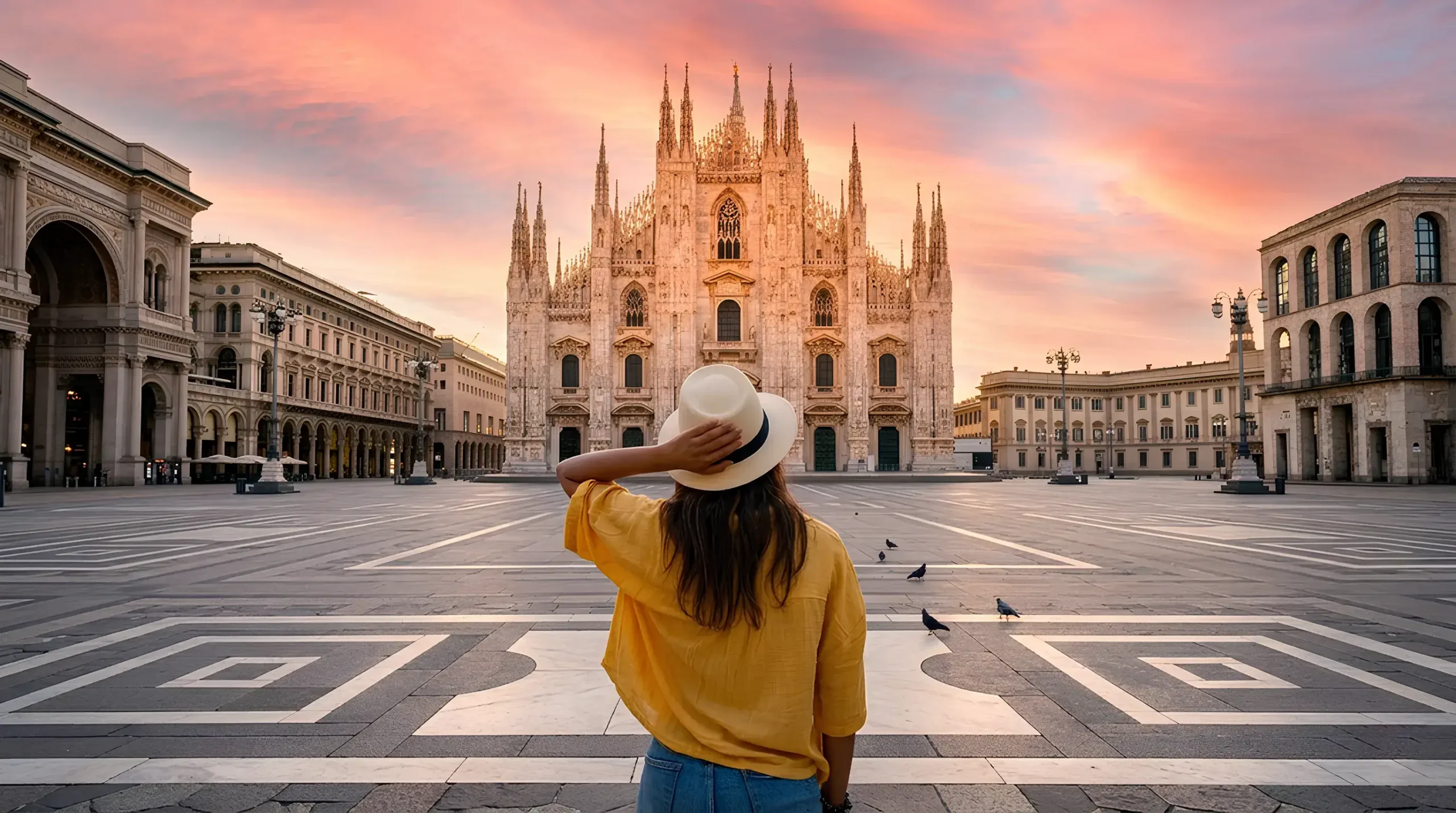
Milan & Beyond
What to See and Visit in the Fashion Capital
Monuments
Duomo di Milano
The Gothic Symbol of the Lombard Capital
As the ultimate symbol, the Duomo di Milano represents the spiritual heart of the city. Furthermore, construction began in 1386 under Gian Galeazzo Visconti. It was officially completed in 1965. This flamboyant Gothic masterpiece took nearly six centuries to build. The Candoglia marble facade features 3,400 statues and 135 spires. Additionally, the famous golden Madonnina makes it truly unique worldwide. Climbing to the terraces offers breathtaking views of the metropolis. You will admire pinnacles, gargoyles, and intricate sculptural details. Located in the eponymous square, the Cathedral dominates the historic center. Moreover, it is a key landmark for both residents and visitors. Every corner tells stories of faith, art, and engineering. Ultimately, it is a place where history and beauty blend in perfect harmony.
Architecture
Galleria Vittorio Emanuele II
The Most Photographed Spot in Milan
The Galleria Vittorio Emanuele II connects Piazza Duomo to Piazza della Scala. Furthermore, it creates an elegant and luminous passageway. Designed by architect Giuseppe Mengoni, it was inaugurated in 1877. Additionally, this iron and glass structure is considered one of the world’s first modern shopping galleries. In particular, the mosaic floors and the central dome are iconic. Moreover, the historic boutiques make it a premier destination for shopping and culture. Additionally, you will find iconic cafes, prestigious bookstores, and high-fashion stores here. In essence, the Galleria is not just a thoroughfare. It is a true Milanese living room where architecture, history, and daily life intertwine. Ultimately, it offers a sensory experience celebrating the timeless elegance of the Lombard capital.
History
Sforza Castle and Parco Sempione
History and Relaxation in the Heart of Milan
Located in the heart of the city, the Sforza Castle dominates its eponymous square. Furthermore, it is a medieval fortress transformed into a Renaissance residence. Today, it houses civic museums and prestigious art collections. These include remarkable works by Michelangelo and Mantegna. Behind the castle lies the beautiful Parco Sempione. Additionally, this green lung was created in 1890 in an English garden style. It connects the castle to the Arco della Pace. Moreover, it offers pedestrian paths, small lakes, and relaxation spaces. The area is ideal for walks or picnics away from the urban chaos. Ultimately, this corner of Milan invites you to discover the city at a slower pace. It beautifully blends history, art, and nature.
Culture
Teatro alla Scala
The World Temple of Opera and Music
Inaugurated in 1778, the Teatro alla Scala is the world’s temple of opera and ballet. Furthermore, it was commissioned by Maria Theresa of Austria. Located between the Duomo and the Galleria, this neoclassical theater hosts the most prestigious international productions. Additionally, the horseshoe-shaped hall and perfect acoustics make it a true cultural icon. The attached museum preserves costumes, scores, and memories of great performers. Moreover, attending a show at La Scala means living a unique emotional experience. It is a place where musical excellence and architectural elegance blend together. Ultimately, it celebrates art as a universal value, attracting enthusiasts from every corner of the planet.
Art
Brera
The Artistic District with a Pinacoteca, Boutiques, and Fine Dining
Brera is renowned for its Pinacoteca, which hosts masterpieces by Raphael, Caravaggio, and Mantegna. Furthermore, this artistic district enchants visitors with its bohemian atmosphere and historic charm. The cobblestone streets and hidden courtyards create a path between beauty and creativity. Additionally, you will find independent bookstores, literary cafes, and design boutiques here. The neighborhood life flows slowly, inviting you to discover evocative corners and architectural details. Moreover, Brera is not just about art. It also offers fine dining, refined shopping, and a vibrant social life. Ultimately, every walk becomes a sensory experience. It is the perfect destination for those seeking authenticity and style in the heart of the city.
Shopping
Quadrilatero della Moda
Premium Shopping on Via Montenapoleone and Beyond
The Quadrilatero della Moda defines Milan’s most prestigious shopping area. Furthermore, it is nestled between Via Montenapoleone, Via della Spiga, and Corso Venezia. This exclusive district gathers the world’s finest fashion houses. The curated windows and refined interiors celebrate Italian excellence. Additionally, strolling here means discovering timeless style and craftsmanship. The area also offers elegant cafes, art galleries, and historic architecture. Moreover, it is a sensory journey where beauty and culture blend perfectly. Ultimately, it attracts fashion enthusiasts from every continent. The Quadrilatero is not just shopping. It is a true experience of Milanese elegance and sophistication.
Nightlife
Navigli
Bohemian Atmospheres among Canals, Aperitivo, and Markets
The Navigli represent the most authentic and vibrant soul of Milan. Furthermore, this ancient canal system dates back to the twelfth century. Today, it is a picturesque neighborhood where water flows past historic buildings. Additionally, the Darsena is a popular meeting point for evening aperitivo. It connects the Naviglio Grande and the Naviglio Pavese. Along the banks, you will find artisan shops, art galleries, and vintage markets. Moreover, the area comes alive at night with a bohemian vibe. Ultimately, tradition and innovation coexist beautifully here. It offers unique experiences just a few steps from the city center.
Innovation
Bosco Verticale and Porta Nuova
The Innovative and Sustainable Milan
In the Porta Nuova district, the *Bosco Verticale* redefines sustainable architecture. Furthermore, these two residential towers were designed by Stefano Boeri. They host over 800 trees and 15,000 plants. Additionally, they create a truly unique urban ecosystem. This innovative project perfectly blends design, ecology, and residential well-being. Moreover, the completely redeveloped area includes the Library of Trees. Porta Nuova represents the modern face of Milan. Ultimately, futuristic skyscrapers coexist with green spaces and smart solutions. It is a prime example of urban regeneration looking toward the future.
Masterpieces
Cenacolo Vinciano
Leonardo da Vinci's Masterpiece at Santa Maria delle Grazie
The Cenacolo Vinciano is Leonardo da Vinci’s ultimate masterpiece. Furthermore, it is preserved inside the Santa Maria delle Grazie refectory. Painted between 1494 and 1498, it depicts the Last Supper. Additionally, it showcases unparalleled technical and psychological mastery. A UNESCO World Heritage site since 1980, it requires advance booking. Moreover, limited access preserves the artwork’s delicate integrity. The Renaissance church completes the artistic and spiritual experience. Ultimately, visiting the Cenacolo means immersing yourself in Leonardo’s genius. It is a place of silence and deep contemplation for art lovers.
Spirituality
Basilica di Sant'Ambrogio
The Spiritual and Historic Heart of Early Christian Milan
The *Basilica di Sant’Ambrogio* was founded in the fourth century. Furthermore, it was established by Milan’s patron saint. It is an authentic jewel of Lombard Romanesque architecture. In particular, the cloister and the Byzantine mosaics are breathtaking. The sarcophagus of Stilicho also tells centuries of history and faith. Additionally, the church is surrounded by a quiet and spiritual atmosphere. Finally, the front portico and the canons’ bell tower complete the complex. Consequently, visiting this basilica means immersing yourself in the city’s Christian roots. Ultimately, it is a place where time seems to stand still, inviting deep reflection.
Contemporary
Fondazione Prada
Contemporary Art and Avant-Garde Architecture
The *Fondazione Prada* is a unique contemporary art center. Furthermore, it is located in Largo Isarco. Designed by Rem Koolhaas, it blends restored industrial buildings with futuristic new architectures. Additionally, temporary exhibitions and cultural events attract visitors from worldwide. The gold-leaf covered Tower and the Cinema are of particular interest. Moreover, they offer innovative spaces for creativity. Finally, the Foundation is not just about art. It also features fine dining, design, and cultural debate. Ultimately, it redefines the boundaries of aesthetic experience in Milan.
Urban Planning
Central Station
Monumental Architecture and Cosmopolitan Life
Milan’s Central Station is an authentic architectural masterpiece. Furthermore, it was built in the 1930s in Piazza Duca d’Aosta. Its monumental facade and elegant marble interiors are truly majestic. Additionally, the splendid Art Nouveau stained glass windows make it a grand gateway to the city. Moreover, it is Italy’s second-largest railway station. It conveniently connects Milan to the rest of Europe via high-speed trains. The surrounding area is also rich in services and metro links. Ultimately, visiting the station means appreciating a perfect mix of history, functionality, and beauty.